Cultural Significance & Royal Symbolism
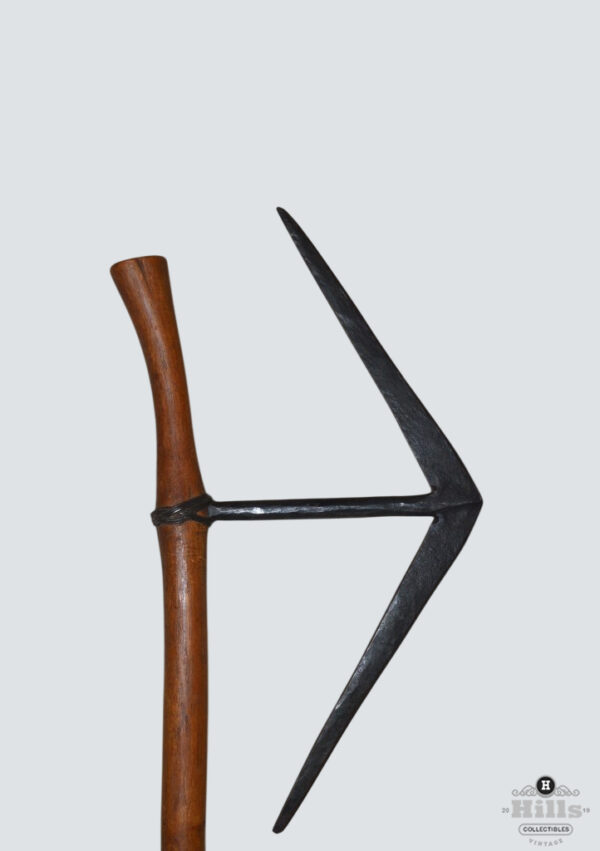
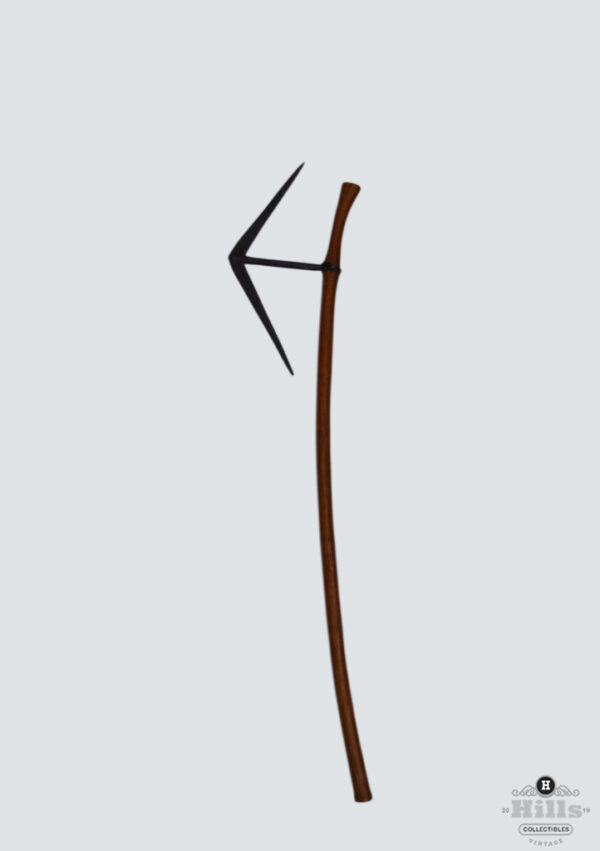
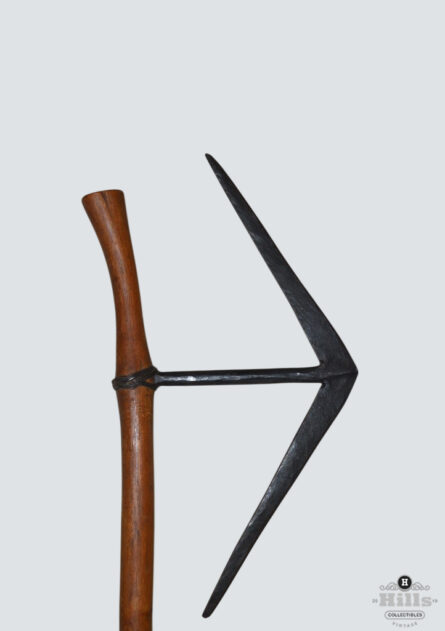
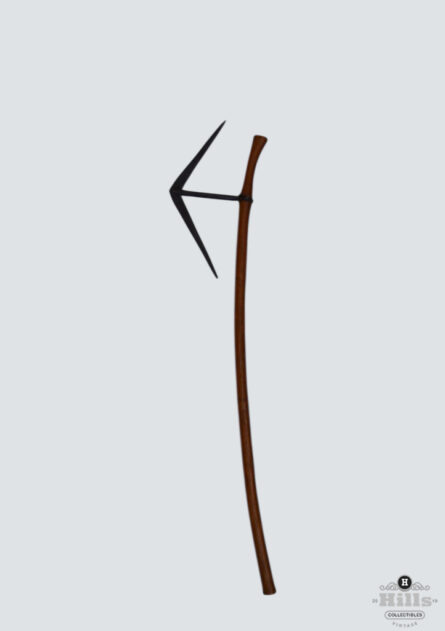
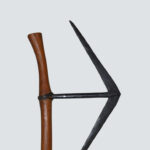
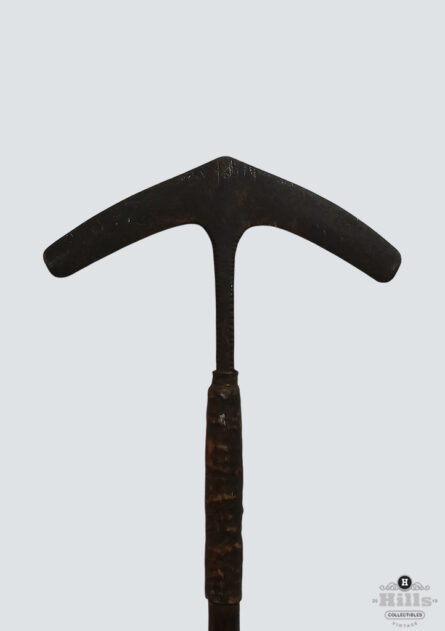
The isizeze, instantly recognizable by its distinct “swallow-tail” design, is a highly revered emblem of status and authority within Southern African tribal history. Rather than serving as a utilitarian weapon of war, this axe functions as a prestige ceremonial piece. Historically, its possession was strictly reserved for royal officials of the Kingdom of Eswatini.
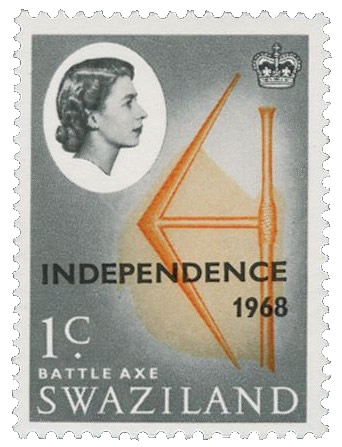
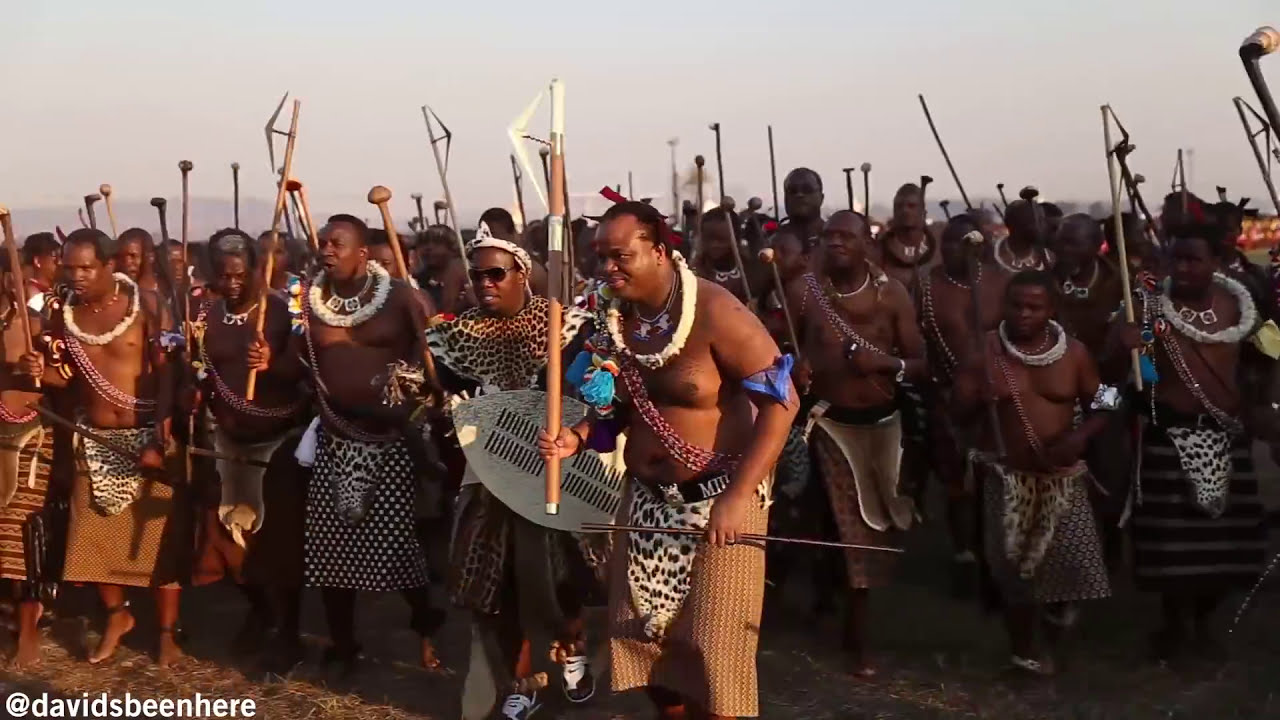
Today, this rich tradition persists. The swallow-tail axe is carried by royal warriors (lijaha) during highly sacred, annual events such as the Incwala (first fruits ceremony) and the Umhlanga (Reed Dance ceremony). Its cultural importance is so deeply woven into national identity that the axe was prominently featured on the official 1968 Swaziland Independence stamp. Both Eswatini and Zulu royalty continue to bear these striking weapons during state ceremonies to denote supreme prestige and legacy.
The Sacred Cycle of Inheritance
In eSwatini culture, an isizeze is an deeply personal heirloom tied to its owner’s life cycle. Upon the death of a royal official or warrior, custom dictates that the wooden haft be broken and left at the gravesite. The hand-forged iron blade is then meticulously salvaged by the deceased’s son, who commissions a new haft, ensuring the ancestral lineage and spirit of the blade endure through a new generation.
Reed Dance, King Mswati III Ingwenyama yemaSwati
Connoisseur’s Technical Description
This exceptional example showcases the superb metallurgical and woodworking skills of 19th-century Swazi smiths:
- The Blade: Features a beautifully patinated, hand-forged iron “swallow-tail” crescent. The blade terminates in a long, integrally forged round-section stud (or tang) that is mortised completely through the upper section of the haft. As clearly visible, the mount is tightly wrapped and structurally reinforced with intricately twisted iron wire binding.
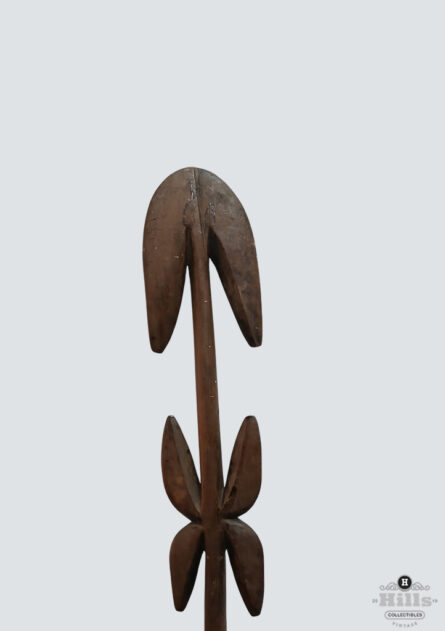
- The Haft: The weapon features a long, elegantly curved 35 ½” hardwood haft. The wood exhibits an incredibly rich, warm honey-toned patina, smooth from generations of ceremonial handling, with a flared pommel at the terminal end.
This is a museum-quality, highly collectible piece of Southern African ethnographic art with impeccable form and deep cultural resonance.